
Content that builds trust: Writing for sceptical customers
- Dec 15, 2025
- 6 min read

Most marketers like to think their content will be read with fresh eyes by excited customers keen to learn what we have to offer. The reality is, Australia's customers are increasingly sceptical. They've often been let down by businesses, industries or social systems, and they bring that experience with them every time they interact with an organisation.
Trust in Australian businesses has declined sharply in recent years: 68% of Australians now say they won't buy from a brand they don't trust, and globally, only 8% of people trust the organisations managing their identity. So what do you do if you're creating content for a brand that has let customers down? Or you're in an industry people are sceptical about? Well, if you work for Optus or you’re trying to better the experience people have with the banking industry, you’re in the right place.
Here are six principles that work. Some help you avoid losing trust in the first place. Others help you rebuild it when it's already damaged. All of them will help you write more compassionate content.
The TL;DR
Building and re-building trust takes time, but you can start with changes that make an immediate difference:
Before writing, ask whether the content serves your audience or just your organisation
Replace vague claims with specific, testable ones
Remove jargon that doesn't serve your reader
Be upfront about limitations instead of hiding them in fine print
If trust is thin, involve your customers in creating the solution.
Be honest: Communicate what your product doesn't do, as well as what it does
It sounds so simple, and yet honesty is one of the rarest things to see in business content.
When you're upfront about your limits, you're not confessing weakness; you're building customer trust by setting clear expectations. Consider a completely self-service budget insurer: they have no call centre, no web chat and they don't offer customers the option to tailor their insurance with extras.
Now, imagine none of that information is clear to a customer buying an insurance policy. It's all hidden in the small print. If that customer has a question to ask, or they want to change a bit of cover on their policy, they end up disappointed.
If, instead, the insurer doesn't pretend to offer premium service and presents its services transparently, customers can make an informed choice. They know exactly what they are and aren't getting, and can avoid disappointment down the line.
Honesty isn't about apologising for every limitation. It's about being clear on what you do and don't offer, so there are no unpleasant surprises later.
Be specific: Replace vague claims with measurable details
"Our software is easy to use."
We've all come across a claim like that. But what does 'easy' really mean?
Is it easy for someone still learning English? Is it easy for a dad who needs to call his son to set up an email account? Or is it just easy for an engineer?
Everyone has a different level of digital literacy, and generic claims like this don't reassure sceptical customers. They've heard about "easy" solutions before and they know sometimes it leads to an hour on the phone with a support team.
Instead, try something like: "Our software only requires basic technical knowledge. We guide you through the setup and on average it takes less than ten minutes." That's specific. It offers something people can evaluate.
Remember who you're talking to: Use your audience's language
Communicating in the same language your audience uses (typically plain English) goes a long way to building trust. Internally your organisation might say, "our integrated tech stack empowers efficiency." But your audience just wants "software that works with the tools you already use." Trying to sound clever creates distance between you and your reader, which invites scepticism and mistrust.
Make plain language your friend. It signals that you care more about being understood than sounding impressive. After all, even people with deep technical knowledge don't want to think too hard all the time; they'd rather conserve their energy for their own work.
And if you have to introduce jargon:
Include in-line definitions as best practice
Always type an acronym or initialism out in full before using it
Use it sparingly
Plain language prevents misunderstandings before they happen. It's one of the simplest ways to show respect for your reader's time, and it can also drive your impressions in zero-click search.
Consider whether you need to write anything at all
Before you put pen to paper, ask: does this piece of content need to exist?
Actions matter more than words. By publishing something, you create an expectation. Are you making promises? If so, can you deliver on them? If not, your content will only create more disappointment.
Or are you avoiding making promises altogether? Then ask yourself: what's the point of this content?
Sometimes the most trust-building thing you can do is stay quiet until you have something meaningful to say.
Don't patronise people: Address concerns directly and sincerely
Way, way back in 2006, when Facebook launched News Feed, users were upset. They felt the feature was invasive—it felt like surveillance and they wanted it removed.
Mark Zuckerberg responded to their criticism with a post titled: "Calm down. Breathe. We hear you."
You might not be surprised to hear that tone backfired. Within two weeks, more than a million users had joined a campaign against the "stalkerish" news feed, but Facebook never addressed people's concerns again. The message was clear: Facebook would listen, but not act.
Nearly 20 years on, brands are still crafting copy that tries too hard to relate to its customers—error pages and 'confirm shaming' pop-ups are frequent culprits.
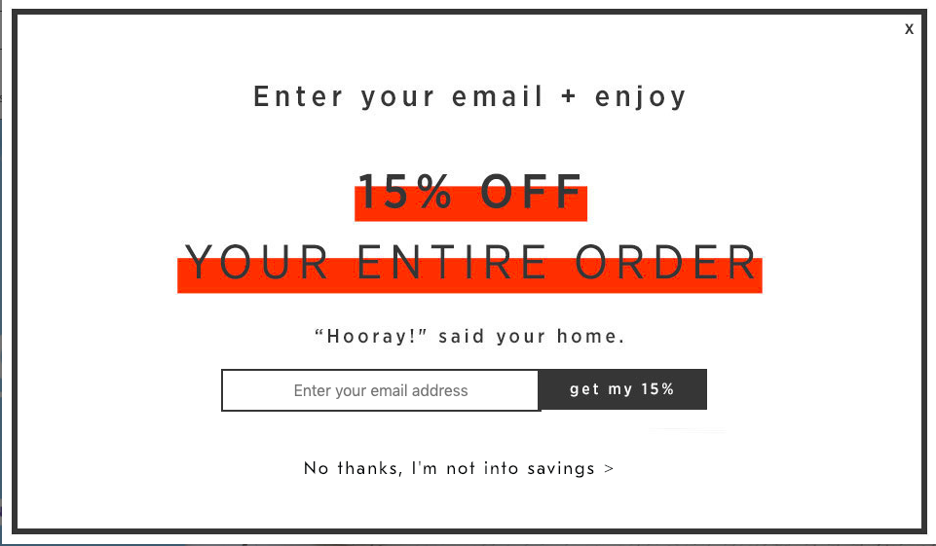
When customers express concerns, address those concerns directly and sincerely or don't say anything at all. Telling people how to feel rarely builds trust, especially when they're already sceptical about whether you're taking them seriously.
Do your research
User research is essential for writing content that truly serves your audience. It prevents you from making assumptions about what people need or want and it grounds your content in reality rather than aspiration.
While user interviews are considered the gold standard for research, it's important to tread cautiously when writing for people who've been let down historically. Not only are they less likely to engage meaningfully in interviews, asking them to talk about negative experiences can significantly affect their mood and mental health.
If you're tackling sensitive topics like discrimination, injustice or harm, it's better to start with data that already exists. Before reaching out to potential interviewees look for:
Existing research, like reports, journalism, academic studies or royal inquiries
Existing data in your organisation, such as call centre records and feedback from surveys
Ways people are discussing your organisation and industry in existing communities (Reddit is often a great place to start)
Analytics insights from your existing digital channels
Subject matter experts in your organisation or field who could speak for a wider audience
We're in an incredibly information-rich world, so there's often already a lot of research you can dive into before reaching out to customers for interviews.
When you demonstrate you've done the work to understand the issue customers are facing, you show respect to the people you go on to interview. That's key to building credibility with sceptical audiences.
Co-design your content with users
Co-design is the process of creating your content with users, not just for them:
Co-design brings together lived experience and expertise, cultural knowledge and technical experience to learn from each other and make things better.
— K.A. McKercher, Beyond Sticky Notes
It's particularly valuable when you're working with communities who've been excluded or misrepresented in the past. Maybe you're creating content for Indigenous communities on the subject of mental health, or young people on smoking and vaping. People in these communities often already know what kind of messaging will cut through to their peers.
Involve your audience in the process from discovery and drafting to testing and refining. Don't forget to check back in when you've shipped your finished content. Tell the people who co-designed it about its impact, and thank them again for their help.
This approach works because it shifts the power dynamic. Rather than telling people what they should think or feel, you're letting them have a say in the language that's being used to describe and inform them.
Co-design takes more time upfront, but it can help you build networks to work with again and again. And when people see their voices and concerns reflected authentically, they're more likely to believe you're serious about them.
Want some help writing content that earns trust instead of asking for it? Have a chat with our team.
Image credits: Illustration by pch.vector on Freepik. Custom GIF by Searchlight Pictures on Giphy.


